Coming soon
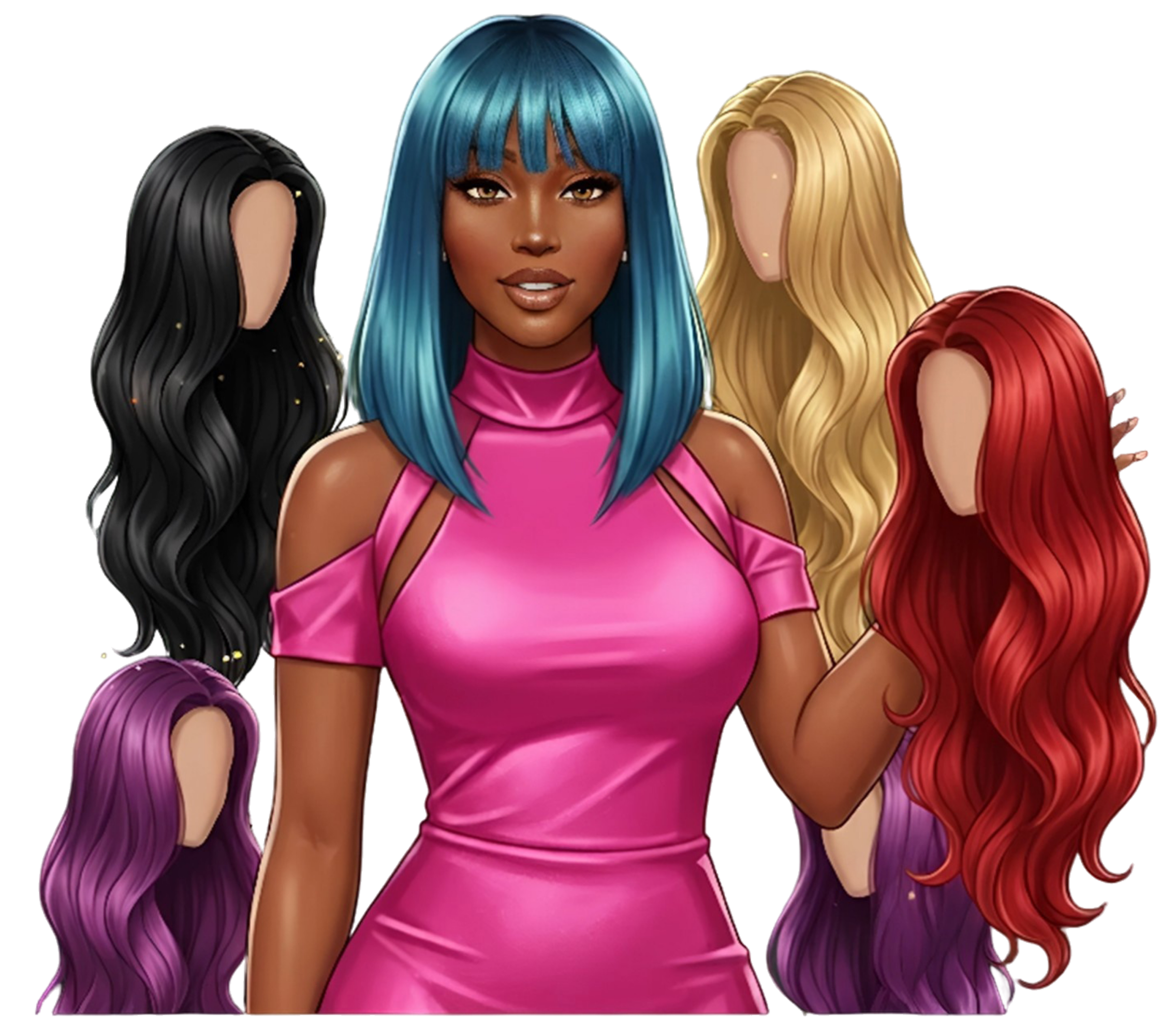
How to Match Hair Extensions Perfectly to Your Natural Color

Published February 27th, 2026
Finding hair extensions that flawlessly blend with your natural color is more than an aesthetic preference - it's the key to feeling confident and radiant in your own skin. The frustration of receiving extensions that look mismatched, unnatural, or just "off" can quickly turn excitement into disappointment, especially when shopping online. We understand how daunting it can be to trust a purchase without seeing the hair in person, often leading to doubts about quality and color accuracy.
That's why mastering a simple, transparent approach to color matching is empowering. It removes guesswork and replaces it with clarity, allowing you to make informed decisions that honor your unique shade. By focusing on true color depth, undertone, and expert insight, you create a seamless, natural look that enhances your beauty without compromise. This thoughtful method builds trust in the process and in the products, turning the online shopping experience into one of confidence and elegance.
Step 1: Identifying Your True Natural Hair Color
We treat color matching like a craft. Before any shade chart or product photo matters, we start by understanding your true natural color. This becomes the anchor for every extension choice that follows.
Start with the right lighting
Artificial lighting distorts tone, especially indoors at night. To identify natural hair color for extensions, examine your hair in indirect daylight. Stand near a window or step outside, then face away from direct sun so the light is soft, not harsh.
Use a plain, light background if possible. Pull your hair away from bold-colored clothing, which can cast reflections and shift how the color appears to your eye and in photos.
Focus on the roots, not just the ends
Our natural shade lives at the regrowth. Part your hair in several places - down the middle, then slightly off-center on both sides - and study the first one to two inches at the scalp.
- If your hair is virgin: The root area gives the clearest read of your true level and tone.
- If your hair is colored: Compare the root shade with the mids and ends. The extensions should blend with the area they will sit next to, which is often the mid-lengths rather than the regrowth.
- If you have balayage or highlights: Treat your root color and your lightened pieces as separate shades. We note both, then decide which area we want the extensions to blend into most seamlessly.
When roots are darker than ends, many people match extensions to the mid-length tone. This keeps the overall blend soft, while the natural shadow at the scalp still looks intentional.
Read your undertone: warm, cool, or neutral
Two people can have similar depth but look completely different because of undertone. We do not chase names like "chocolate" or "ash" first; we read the temperature of the color.
- Warm undertones: Golden, honey, caramel, or copper reflects. In daylight, the hair leans yellow, orange, or red rather than gray or blue.
- Cool undertones: Ash, smoky, or beige reflects. In daylight, the hair leans slate, taupe, or slightly violet, with no visible warmth.
- Neutral undertones: A balance of both. The hair does not flash strong gold or strong ash; it sits quietly in the middle.
To see undertone clearly, hold a white sheet of paper beside the mid-lengths. If the hair looks more golden against the white, it is warm. If it shifts more silvery or muted, it is cool. If it stays balanced, it is neutral.
Account for color history and texture
Previous color services leave subtle remnants, even after years. A past red, black, or dark brown dye may still influence how your hair reflects light and how extensions should be chosen. We note whether the current shade is natural, dyed, lightened, or toned with gloss.
Texture also affects perception. Coily and curly patterns absorb light and look deeper, while straighter textures reflect more light and can appear slightly lighter. When matching, we mentally adjust half a shade up or down depending on how reflective the natural texture is compared with the extensions.
Use stylist insight as a tool, not a rule
Professional stylists read level and undertone all day; their eye is trained. Their opinion adds clarity, especially when past color layers are complex. Still, we believe you are capable of understanding your color with structure and patience.
We encourage slow, honest observation rather than guessing. When you know what your natural shade and undertone actually are - not what you wish they were - you step into the next steps with confidence instead of doubt.
Step 2: Using Product Photos and Swatches Effectively
Once undertone and depth are clear, product photos and swatches stop feeling confusing and start working like a precise filter. We use them to confirm what we already know from real-life observation, not to guess from scratch.
Use photos as a mirror, not a surprise
When we study product images, we mentally ask, "Does this reflect the level and undertone we already identified?" If your hair reads warm, we look for photos where the shade leans honey, caramel, or golden rather than smoky or taupe. If your undertone is cool, we seek ash, beige, or muted reflects instead of anything that glows copper or amber.
Focus on the mid-length area in the photo, not only the brightest or darkest points. That area usually sits closest to where extensions will live on the head, so it offers the most honest comparison to your own mid-lengths.
Control the lighting on your end
Photos are already influenced by the lighting they were taken in; we reduce extra distortion by managing our own environment while comparing:
- View product images in natural, indirect daylight when possible, just as you did when reading your own color.
- Avoid comparing shades under warm indoor bulbs at night; they push everything more golden and can trick warm hair into looking neutral.
- Keep bold wall colors, bright clothing, and strong reflections away from your line of sight; they cast subtle tints over how the screen reads.
Check images across devices and settings
Screens vary. One phone may push yellow; a laptop may skew cooler. For a flawless hair extension color match method, we treat our device as another variable, not as truth.
- Glance at the same shade on at least two devices if you have access.
- Turn off intense "vivid" or "cinema" display modes that exaggerate saturation.
- Lower the brightness slightly, then raise it again; note whether the shade suddenly flips from warm to cool. A stable color should feel consistent.
Read color charts with a trained eye
Online color charts are helpful guides, not rigid rules. They often compress multiple tones into a tidy grid, which flattens nuance. We always cross-reference the chart with real product photos and our Step 1 notes.
- Use the chart to place yourself in the right neighborhood of depth (light, medium, dark) first.
- Then, refine by undertone: choose the square that most closely reflects the warmth or coolness you saw in daylight against that white paper.
- Be cautious when chart swatches look heavily filtered or uniformly glossy; natural hair shows subtle variation, even within one shade.
Make the most of swatch samples
If sample swatches are available, we treat them as the final confirmation tool. Hold a clean strand or swatch beside the mid-lengths of your hair in soft daylight, not against the ends alone. Slight differences are expected; what matters is whether depth and undertone feel harmonious rather than identical.
We also tilt the swatch and move it slightly to mimic how hair shifts in motion. Warm and cool reflects will appear as light hits, which tells us if the extension shade will echo your own natural shimmer or fight against it.
Expect some variation - and value transparency
Human hair varies subtly from bundle to bundle. We look for brands that acknowledge this and provide clear, high-resolution photography from multiple angles and in balanced lighting. Consistent, true-to-life images build trust because they respect the effort you put into Step 1 and Step 2: studying undertone, reading depth, and assessing color with intention rather than hoping the shade somehow matches once it arrives.
Step 3: Seeking Expert Advice to Confirm Your Match
Once depth and undertone are dialed in, expert insight becomes the final check that protects your investment. We treat this step as a precision tool, not a last‑minute rescue. It confirms what you already observed and catches details a trained eye spots quickly.
What to share so guidance stays accurate
The quality of the recommendation depends on the quality of the information you provide. We focus on three essentials: light, angle, and detail.
- Photos in indirect natural light: Stand near a window or outside in shade. Avoid direct sun and overhead indoor bulbs. Capture the mid-lengths and ends as well as the regrowth so the expert sees where extensions will actually blend.
- Multiple angles: Take clear photos from the front, sides, and back. Pull hair over one shoulder for the side view, then let it fall naturally for the back. This reveals how the color shifts across layers and any contrast between surface and interior sections.
- Texture and styling notes: State whether your hair is straightened, blown out, or in its natural pattern in the photos. Include your usual finish - silky, blown-out volume, defined curls - so the expert can align both shade and texture.
Describing color nuances that photos miss
Cameras often flatten tone, especially on multi-tonal or color-treated hair. We bridge that gap with simple, clear descriptions:
- Undertone language: Use terms like warm, golden, honey, cool, ashy, or neutral, based on what you already identified. If your hair looks neutral indoors but glows copper outdoors, say that.
- Color history: Note whether your current shade comes from highlights, balayage, glosses, or all-over color. Mention any darker lowlights or older dye that still lingers on the mids and ends.
- Transition areas: Point out where your hair shifts shade - darker at the root, lighter at the mid-lengths, brighter or more faded toward the tips. This tells the expert which zone the extensions must harmonize with.
Why expert review matters for complex color
Single-process, one-tone hair is often straightforward to match. Multi-tonal, highlighted, or previously dyed hair carries subtle layers that influence how extensions sit against it. An expert reads those layers fast: they see if the chosen shade will melt into your mids, create a soft shadow at the root, or exaggerate a band you already dislike.
We view this step as risk management. Instead of guessing which bundle or tape-in shade is closest, you are asking a specialist to translate your photos and descriptions into a specific recommendation. That narrows the margin for error, especially when ordering online where you cannot touch or compare hair in person.
Using premium support as an empowering tool
High-education, stylist-led brands often offer detailed customer service, virtual consultations, or stylist support. We see these channels as part of the product itself. They exist so you do not have to navigate undertones, color history, and texture alone.
When you share clear photos, honest color history, and texture goals, you stay in control while leveraging expert training. Step 1 grounded you in your real shade; Step 2 refined your options with photos and charts; Step 3 adds personalized verification so your final choice feels deliberate rather than lucky.
Bonus Tips: Maintaining Color Consistency After Purchase
Once the shade match is flawless, the goal shifts to keeping it that way. Color consistency lives in small, repeatable habits, not complicated routines.
Gentle washing that respects tone
Water, products, and friction all influence how extensions read on the head. We treat them as colored fabric: clean, but not stripped.
- Use a sulfate-free, color-safe shampoo and a nourishing conditioner. Harsh cleansers dull luster and make the shade look flatter and lighter.
- Wash extensions only as needed. Over-washing fades toners faster and exaggerates contrast between your hair and the extensions.
- Rinse in lukewarm water. Hot water swells the cuticle and shifts how light reflects, which changes perceived depth.
Heat styling with discipline
Heat does not only change texture; it gradually softens color and shine. We style with intention, not impulse.
- Always apply a lightweight heat protectant from mid-lengths to ends before blow-drying, curling, or straightening.
- Keep tools at moderate temperatures and avoid repeated passes over the same section.
- Limit daily heat. Rotating between heat-styled and air-dried looks preserves both tone and cuticle health.
Managing sun and environment
Sunlight brightens extensions over time, especially on lighter or highlighted shades. The goal is exposure in balance, not isolation.
- For long days outdoors, wear a hat or scarf when possible, or mist a UV-protective leave-in over lengths.
- Chlorine and saltwater shift color and dryness. We keep extensions braided, coated with conditioner, or completely out of the water.
Blending and maintenance products
Color match looks most natural when texture, finish, and tone speak the same language. We treat blending as daily fine-tuning.
- After styling, lightly comb your natural hair and extensions together so shades intermix instead of sitting in separate blocks.
- Use a light, non-greasy serum for shared shine. When both textures reflect light similarly, the shade appears more unified.
- If your natural color shifts slightly between salon visits, a temporary root spray or gloss on your own hair often restores harmony without touching the extensions.
Consistent, thoughtful care keeps high-quality extensions aligned with your natural shade for far longer, so the match you worked for on day one still feels seamless months later.
The journey to flawlessly matching hair extensions to your natural color becomes straightforward when you embrace our 3-step method: truly understanding your hair's unique shade and undertone, using trusted visual tools with intention, and seeking expert insight to refine your choice. This powerful trio removes uncertainty and empowers you to make informed decisions with confidence. At Tyrison Devine Beauty, we honor this process by offering a curated collection of premium Remy and virgin hair extensions, paired with transparent education and stylist-led expertise. Our commitment ensures you receive luxurious, long-lasting quality that aligns beautifully with your natural hair, elevating your style without compromise. Explore our collection with assurance, knowing that every step is designed to support your beauty journey with clarity, trust, and elegance.